
Japan is preparing to invest as much as $21 billion in two semiconductor factories operated by GlobalFoundries in Malta, New York, in one of the largest foreign commitments yet to American chipmaking. The plan underlines how governments now treat computer chips the way they once treated steel or oil: as strategic assets that underpin everything from cars and smartphones to defence systems and artificial intelligence data centres.
For background, see our earlier coverage in this related report, which looked at a very different scientific question with similar lessons about evidence and expertise.
Inside the Malta Campus
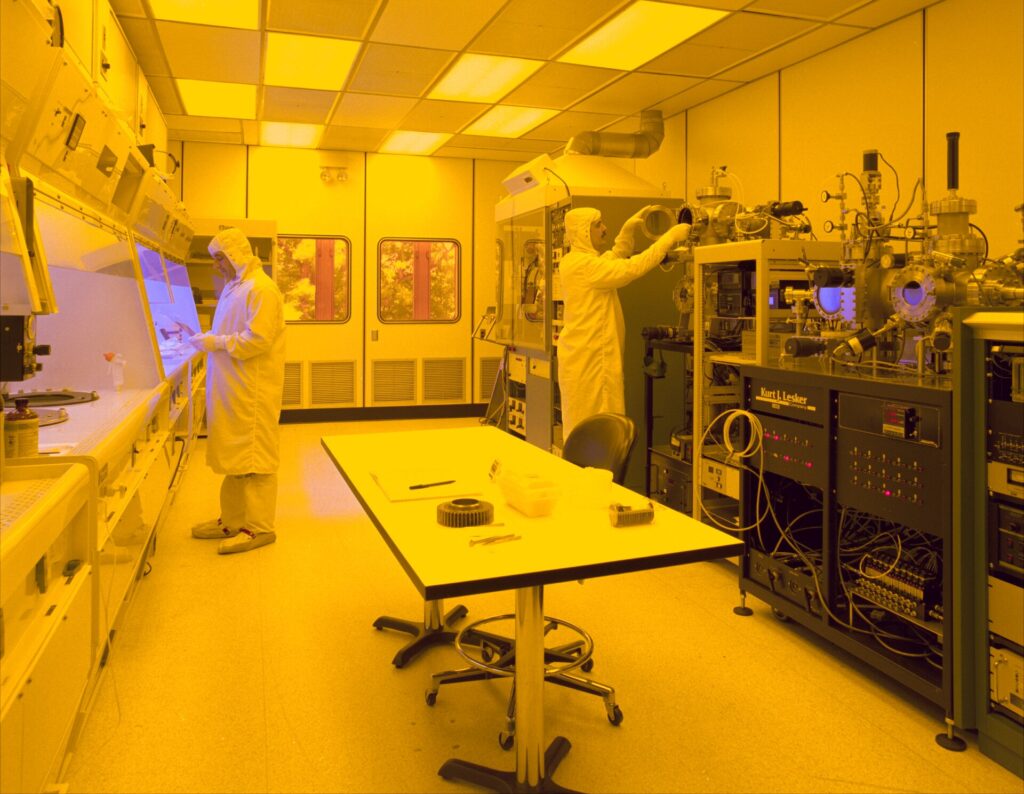
The Malta site, anchored by the company’s Fab 8 facility, has grown over the past decade into a major production hub employing thousands of engineers, technicians and support staff. A second wave of investment would extend that footprint, funding new capacity and the complex supply chains that surround a modern fab, from ultra-pure chemicals and gases to precision optics. Company information and technology details can be found via GlobalFoundries.
Chips made on mature production lines rarely grab headlines, yet they are indispensable. When supplies of these components tightened during the pandemic, car plants on several continents were forced to idle assembly lines, a lesson in supply resilience that policymakers have not forgotten.
Employment and the Supply Chain
Beyond the headline construction work, two expanded factories would support long-term employment in operations, research and facilities management. Each direct fab job is typically associated with several additional roles across the supply chain, in areas such as materials distribution, equipment servicing and transport.
Regional leaders have long argued that New York’s combination of reliable utilities, transport links and a research corridor stretching from Albany’s nanotechnology complex makes it a natural semiconductor hub. Continued investment on this scale would test that claim, and likely intensify competition for skilled staff across the sector.
The CHIPS Act Context
The investment lands in the middle of the United States’ broader semiconductor strategy, shaped by the CHIPS and Science Act of 2022, which directed tens of billions of dollars toward domestic manufacturing and research. The US Department of Commerce has used that programme to coax leading chipmakers into building on American soil, while the National Institute of Standards and Technology supports the research and standards work behind it.
Japan’s involvement reflects a shared concern in Washington and Tokyo about concentrated chip production in East Asia and the vulnerability of supply lines to geopolitical tension or natural disaster. By financing capacity inside the United States, Japanese policymakers secure a stake in allied production while American officials gain another partner in spreading risk.
The Competitive Picture
GlobalFoundries competes in a market dominated by larger Asian foundries, and it has deliberately positioned itself around dependable, differentiated production rather than a race for the smallest transistors. Capacity in New York strengthens that pitch, especially with customers who must demonstrate supply security to their own regulators and shareholders. European and Asian governments are funding their own champions in parallel, so the global map of chipmaking is becoming more distributed than at any point in the industry’s history. That distribution has costs, since building in several regions duplicates some investment, but policymakers in Washington and Tokyo have concluded that resilience is worth the premium. For Malta, the practical effect is a deeper anchor role in that distributed map, with the local workforce and supplier base gaining experience that tends to attract the next round of projects as surely as the last one did.
Why the Announcement Resonates
Semiconductor announcements are frequent, but the combination here, allied government capital, an established American campus and a $21 billion ceiling, gives this one unusual weight. It suggests the reshoring era in chipmaking is moving from subsidy announcements into a second phase, in which partner nations co-invest for the long term.
For New York, the prize is a durable place in that new geography. For Japan and the United States, it is insurance: capacity they can count on, in a place they both trust, making the chips that neither economy can function without.
