
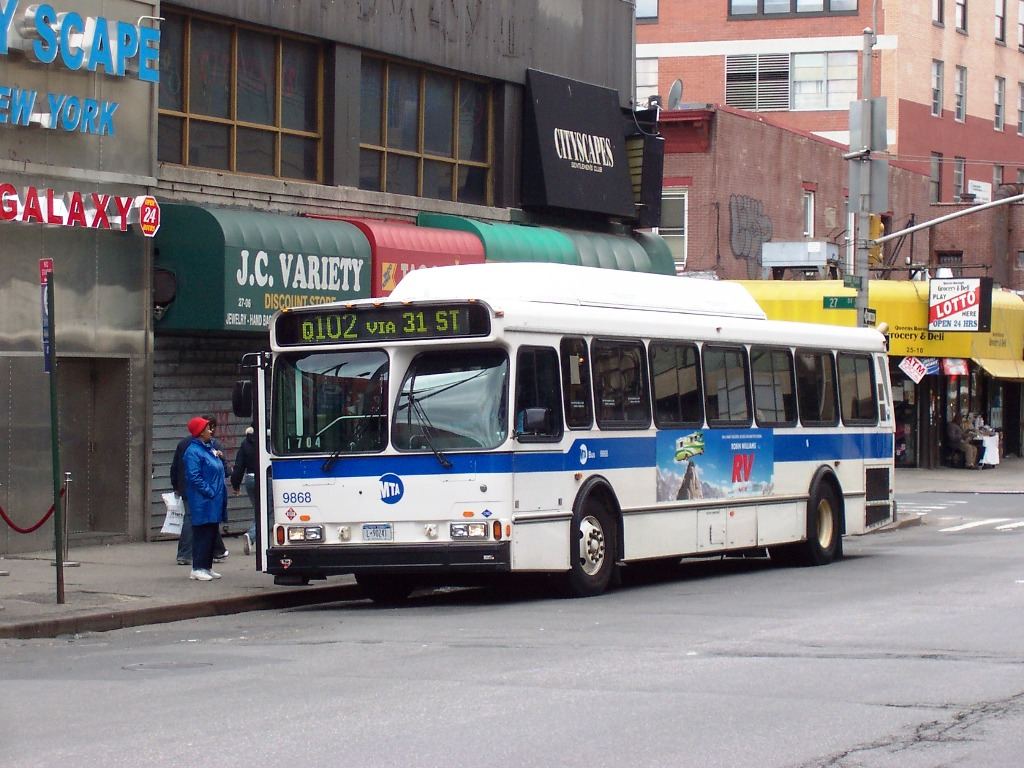
Electric buses have taken over several early morning routes this week, giving commuters a noticeably quieter start to the day as operators replace older diesel vehicles on the busiest corridors. Drivers say the new buses accelerate smoothly, produce far less vibration at stops, and allow passengers to talk without raising their voices. Transport officials said the change follows months of testing on shorter routes, where the vehicles completed full shifts without needing a midday charge. Early passenger surveys suggest the calmer ride is especially valued by people travelling before dawn, including hospital staff, cleaners, and students heading to early classes. Operators have also fitted the buses with brighter interior lighting, clearer audio announcements, and wider priority seating near the front doors. Depot teams received additional training to manage charging schedules overnight, so vehicles leave the yard fully charged and ready for the first departures. Officials stressed that fares and timetables remain unchanged during the transition, and that spare diesel buses will stay available until the new fleet proves itself through the busiest winter weeks ahead for everyone travelling daily.
What the Evidence Shows
The rollout will expand in stages, with charging points being installed at two more depots before the end of the season so additional routes can switch over. Maintenance managers say electric motors contain far fewer moving parts than diesel engines, which should reduce breakdowns and keep more buses in service during peak hours. Local air quality campaigners welcomed the move, noting that early morning services pass through residential streets where children walk to school and older residents open their windows. Some passengers admitted they were sceptical at first, worrying about range on longer routes, but dispatchers explained that route planning now matches each vehicle to distances it can comfortably complete. The transport authority plans to publish monthly reliability figures so the public can judge the change on evidence rather than promises. If the figures hold, a further order of vehicles is expected next year, funded partly through savings on fuel. For now, regular travellers say the most obvious difference is simple and welcome: a calm, quiet ride through streets that are only just waking up each morning. Reporting and analysis from sources such as Associated Press track the same developments, and specialists following quieter electric bus routes say the direction is now consistent across independent lines of evidence.
The Wider Context
Regional and local reporting on quieter electric bus routes often tells a different story from national coverage, because the effects land unevenly: one town’s pilot is another’s distant proposal. Analysts who follow the subject full-time read the local data first, arguing that national averages conceal the variation that decides whether a policy or a project deserves to spread.
What Happens Next
The longer story of quieter electric bus routes is still being written by the people closest to it, whose experience rarely matches the earliest predictions of either supporters or critics. Reporting will continue to follow the evidence as it accumulates, including where it complicates today’s account. That is the deal serious coverage makes with its readers, and it holds for this subject as for any other. You can follow related developments in our coverage of news.
It is also worth remembering how quickly the picture in this area has changed before. Positions that looked settled a few years ago have been revised as new data arrived, and the same humility is appropriate now. The strongest coverage of this subject, and the most useful advice, tends to come from sources that update their views openly when the facts move, rather than defending an earlier position long after it has stopped fitting the evidence available.
