
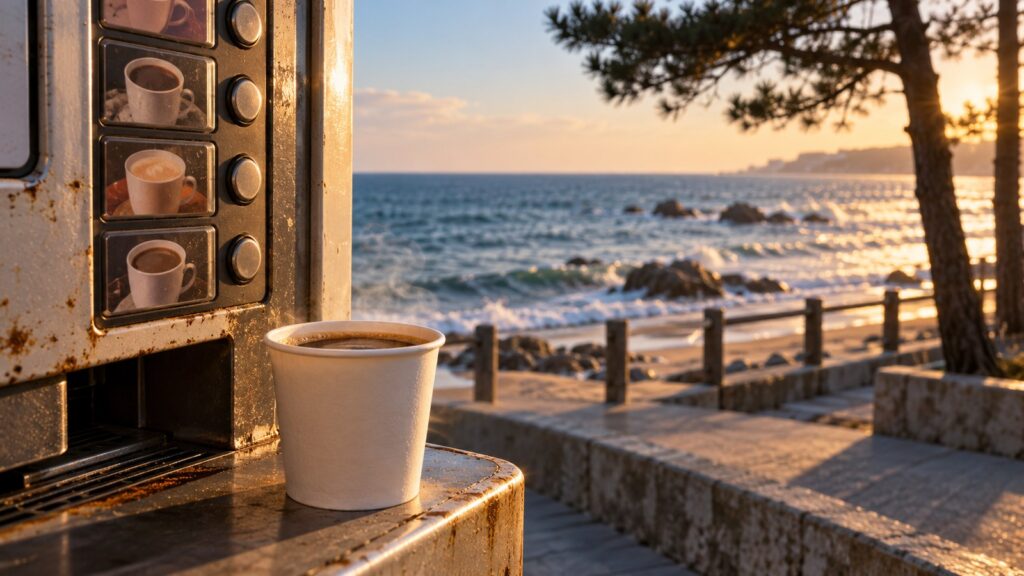
A morning run around Gyeongpo Lake offers a refreshing way to explore one of Gangneung’s best-known natural settings. The lake’s open water, surrounding greenery and views towards the mountains create a varied backdrop for an easy jog or a longer training session. Its relatively flat circuit also makes the area approachable for runners who prefer steady terrain rather than steep climbs.
The appeal of running here is not simply the distance covered. A well-planned outing can include quiet stretches beside the water, glimpses of wetland scenery and a sense of how the city connects its natural spaces with everyday recreation. With a little preparation, visitors can choose a route that matches their ability, share the paths considerately and finish with enough time to enjoy the wider Gyeongpo area.
Planning a Route for Your Distance
The main lake circuit is commonly described as approximately 4.3 kilometres. It follows a largely level route around Gyeongpo Lake, with designated walking and cycling sections. That distance makes a complete lap a practical starting point for visitors who want to understand the layout before attempting a longer outing.
A short run: around 2 kilometres
For a relaxed introduction, choose one section of the lakeside path and run out for roughly one kilometre before returning by the same route. This approach is useful when time is limited, when the morning feels warmer than expected or when a visitor is unfamiliar with the area’s layout.
An out-and-back route also makes it easier to decide when to turn around. Pick a recognisable landmark or junction as the turnaround point, and avoid extending the run simply because the scenery encourages you to continue. The goal is a comfortable introduction rather than a distance target.
A complete circuit: approximately 4.3 kilometres
Runners looking for a straightforward outing can plan one full lap. The circuit offers a useful balance between a manageable distance and a broader view of the lake. Since the route includes areas used by both pedestrians and cyclists, the pace should remain flexible.
Rather than treating the circuit as a timed course, use it as an opportunity to settle into a consistent rhythm. Allow for pauses at busy crossings, narrow sections and places where other visitors stop to look at the water.
A longer outing: around 6–8 kilometres
For a longer session, combine the lake circuit with additional paths in the surrounding park area, provided signs indicate that running is permitted. One option is to complete the loop and add a measured out-and-back section near the park or wetland surroundings.
Plan the extension before starting. Identify the point where the additional section begins and calculate the return distance rather than relying on guesswork. If the route is unfamiliar, a mapping application can help, but local signs should take priority wherever paths divide or access changes.
Distances are planning guides, not promises about every possible route variation. Temporary works, events or seasonal arrangements can affect access, so check conditions when you arrive.
Choosing the Right Time to Start
Early morning can be a convenient time to run because it leaves much of the day available for sightseeing. It may also offer a quieter atmosphere than busier periods around popular lakeside attractions. However, the experience depends on the season, weather and local visitor activity.
Before leaving, check the forecast for rain, wind and temperature. Coastal weather can change, and an open lakeside route may feel different from a sheltered street. In warmer months, carry water and avoid turning a recreational run into an unnecessarily demanding session. In colder conditions, choose clothing that can accommodate the temperature and wind.
Visibility matters too. If the sky is still dim, wear clothing that is easy for cyclists and other path users to notice. A small light can be useful when visibility is limited.
Shared-Path Etiquette Around the Lake
Gyeongpo Lake is a public recreational space, not a private running track. The route is used by walkers, cyclists, families and visitors taking photographs. Respectful behaviour helps everyone enjoy the surroundings.
Start by checking the signs at entrances and junctions. Some sections distinguish between pedestrian and bicycle use, while other areas may allow shared access. Do not assume that every paved surface is open to runners. If a section is marked for bicycles only, choose an appropriate pedestrian route instead.
On shared paths, keep to the indicated side and leave room for people travelling in the opposite direction. Avoid running several people abreast, particularly where the path narrows. If you are running with a companion, stay close enough to leave a clear passing space.
Be predictable when changing direction or slowing down. Look behind before moving across the path, and do not stop suddenly in the middle of a busy section. If you need to check a map, adjust your clothing or take a photograph, move to a safe place beside the route.
Headphones deserve particular attention. Keeping the volume low or leaving one ear free makes it easier to hear approaching bicycles, announcements and other path users. A runner should never expect pedestrians to move aside without warning.
Finally, protect the setting itself. Use public bins, avoid disturbing birds and other wildlife, and keep to established paths around wetland areas. The natural surroundings are part of what makes the route appealing, and considerate use helps preserve that character.
A Short Runner’s Checklist
A few simple checks can make the outing easier to organise:
- Route: Choose an out-and-back section, one full circuit or a planned extension.
- Weather: Check temperature, wind and the chance of rain.
- Footwear: Wear comfortable running shoes suitable for paved paths.
- Visibility: Use noticeable clothing or a light when conditions are dim.
- Water: Carry a small bottle, particularly in warmer weather.
- Phone: Bring a charged phone with a map or navigation option.
- Etiquette: Check signs and leave space for walkers and cyclists.
- Return plan: Know where the run will finish and how you will get back.
The checklist is deliberately short. A morning run should not require elaborate equipment, but basic preparation can prevent avoidable interruptions.
Travel Logistics and Local Service Terminology
Gyeongpo Lake is part of Gangneung’s wider Gyeongpo visitor area, close to the beach and other attractions. Travellers can plan their accommodation, transport and running route together. If arriving by public transport, check current bus connections from Gangneung’s main transport points rather than relying on an old timetable. Visitors using a taxi or rental vehicle should confirm the intended drop-off or parking location before setting out.
Some travellers also encounter Korean terms for mobile massage services while researching local convenience options. 출장마사지 (chuljang masaji) generally describes a massage service where a provider travels to the customer’s requested location, such as a residence or accommodation. 홈케어 (homke-eo, or home care) is another expression used for services delivered at a home or private space. The terms can overlap in online listings, and neither one guarantees a particular treatment, standard or provider qualification. Anyone considering such a service should independently check the business identity, lawful operating status, full price, service details and accommodation rules before making arrangements.
For people searching with location-specific wording, 강릉출장마사지 uses Gangneung in the service term, while 양양출장마사지 refers to Yangyang, a separate destination north of Gangneung. These phrases are useful to understand as search terminology, not as endorsements or confirmation of availability. Visitors should verify any arrangements directly and avoid sharing unnecessary personal or payment information.
Make the Finish Part of the Plan
A good running route should have a sensible ending. After completing the chosen distance, slow down, walk for a few minutes and make space for other visitors before stopping. Check your belongings, collect any rubbish and decide whether to continue exploring the lakeside area or return to your accommodation.
If the morning is busy, avoid lingering at narrow entrances or popular viewpoints. Move to a wider public area before checking photographs or planning the next stop. A café visit, a walk towards the beach or a quiet sightseeing break can follow without turning the run into a rushed schedule.
Conclusion: A Simple Way to Explore Gyeongpo
A morning run at Gyeongpo Lake can be adapted to different distances and experience levels. A short out-and-back route offers an easy introduction, the approximately 4.3-kilometre circuit provides a clear central option, and surrounding permitted paths can extend the outing for those who want more time on their feet.
The most useful preparation is straightforward: choose a realistic distance, check the weather and path signs, carry the essentials and share the route with consideration. Set a finish point before leaving, then give yourself time to enjoy the wider surroundings. That small action turns a run into a well-organised part of a morning in Gangneung.
