
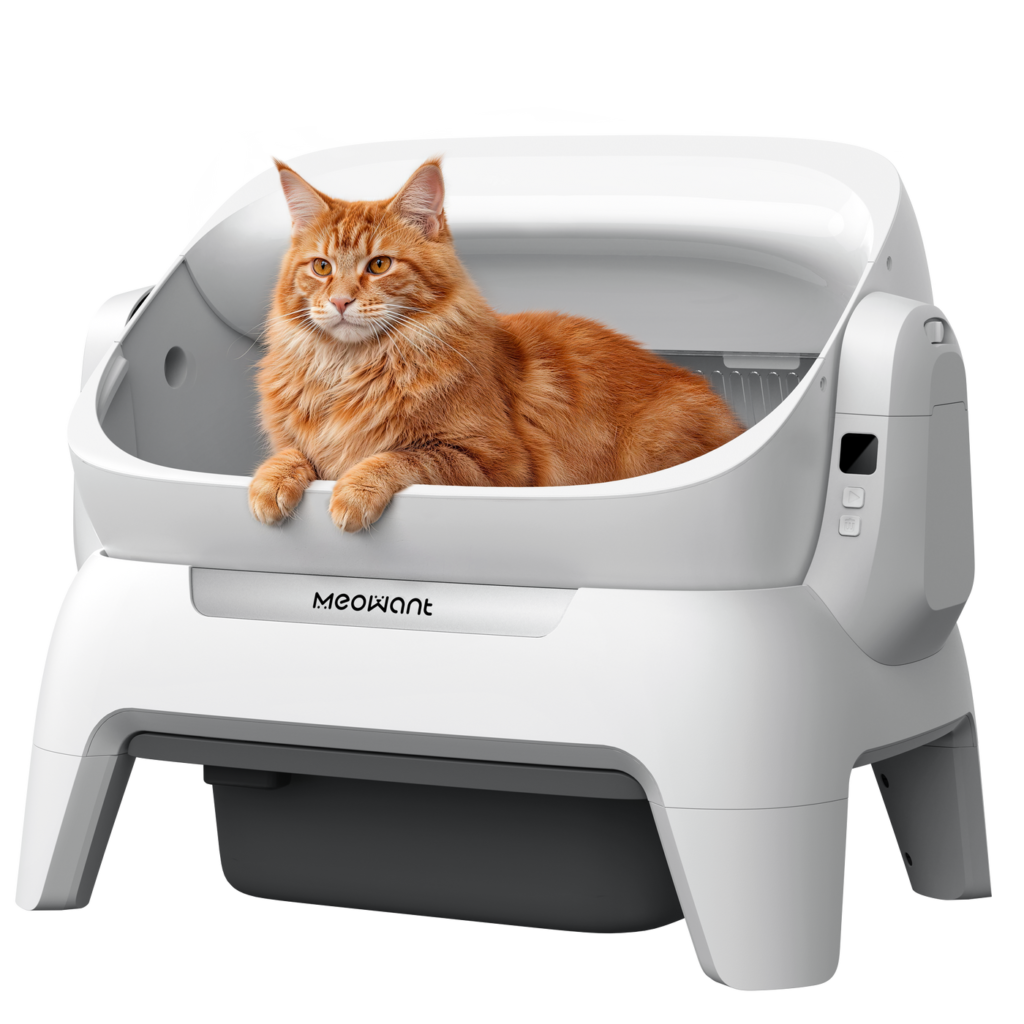
Most cat owners do not mind the idea of cleaning a litter box; they mind the interruption. You come home, drop your bag, and before you can sit down there is a scoop waiting. Automatic cat litter boxes promise to take that chore off your hands, but the promise is usually explained in terms of motors and sensors rather than what actually changes at home. The real value shows up in smaller moments: a calmer morning, an evening that belongs to you again, and a litter corner that stays presentable without constant attention. This guide looks at what these units genuinely change, how to choose one that suits your cat, and how to get through the adjustment period without stress for either of you. It is not a pitch for gadgetry, and it does not pretend the work disappears.
What an Automatic Box Actually Changes in Your Day
An automatic box does not remove litter work; it redistributes it. Instead of scooping twice a day, you empty a waste drawer every few days, top up litter, and wipe surfaces during your regular cleaning routine. That trade is the entire point. For many households it is also the difference between a chore that dominates the day and one that barely registers. When people compare automatic cat litter boxes on paper, the specifications blur together. When they map the same features onto a real routine, the differences become obvious. Sensors, cycle times, and drawer sizes only matter insofar as they change how often you intervene.
The Morning Rush
Mornings are where the change is most visible. A cat that used to leave a mess while you were making coffee now finds a clean bed waiting, because the unit rakes or rotates after each visit. You are not crouching on the floor with a scoop at the exact moment you need to leave. If you have ever delayed a commute because the box was unpleasant, you already know what this is worth. The gain is not luxury; it is a few minutes of predictability in a part of the day that rarely has any. For a household with two working adults, those minutes are often the difference between a rushed exit and a calm one.
The Evening Wind-Down
Evenings follow the same logic. The box has handled the day’s traffic while you were out, so the first thing you do when you get home is not cleanup. That sounds minor until you consider how often odor is the reason a room stays closed off. A well-maintained automatic unit keeps the litter area usable, which means you stop negotiating with your own home about which doors stay shut. Guests notice less, your living room smells like a living room, and the cat keeps a clean surface without you scheduling your night around their habits.
The change is most striking for households that had quietly organized their furniture around a problem. A closed guest room, a sofa turned away from a corner, a hallway everyone hurried through. None of these decisions were made consciously, but they were made, and they persisted for years because there never seemed to be a better option. When the litter area stops being a weak point, those small arrangements can loosen. A door stays open, a chair moves back to its natural spot, and the home feels larger without any renovation. That is a strange benefit to explain in a product review, and yet it is one of the most common things owners mention once the routine has settled.
Choosing a Unit That Fits Your Cat and Your Space
Specifications matter less than fit. A machine that suits a young, average-sized cat can be a poor match for a senior with stiff joints or a large breed that needs room to turn around. Before comparing features, watch your cat use their current box for a few days. Note how they enter, whether they dig deep or barely cover, and how much space they claim. Those observations will eliminate half the options faster than any review. The right unit is the one your cat will actually use when you are not watching.
Size and Entry Style
Entry height is the detail most people overlook. A high-walled unit with a small opening can feel secure to a confident cat and intimidating to a nervous one. Senior cats and kittens often do better with a low step or a ramp, while larger cats need an interior that lets them stand and turn without their head touching the hood. If you are unsure, err toward more room. Cats rarely object to extra space, but they will consistently avoid a box that feels cramped, no matter how advanced the machinery inside happens to be.
Where It Lives in Your Home
Placement changes how well any unit performs. Automatic boxes need a power source and clearance for the entry and the waste drawer to open fully. A corner that worked for a manual box may be too tight once the machine needs to move. Think about noise as well. A quiet motor in a hallway is tolerable; the same motor in a bedroom at night is not. Trace the route your cat already takes and place the unit along it rather than in a distant room you hope they will discover. Familiar paths get used; hopeful guesses usually do not.
A First Week That Does Not Backfire
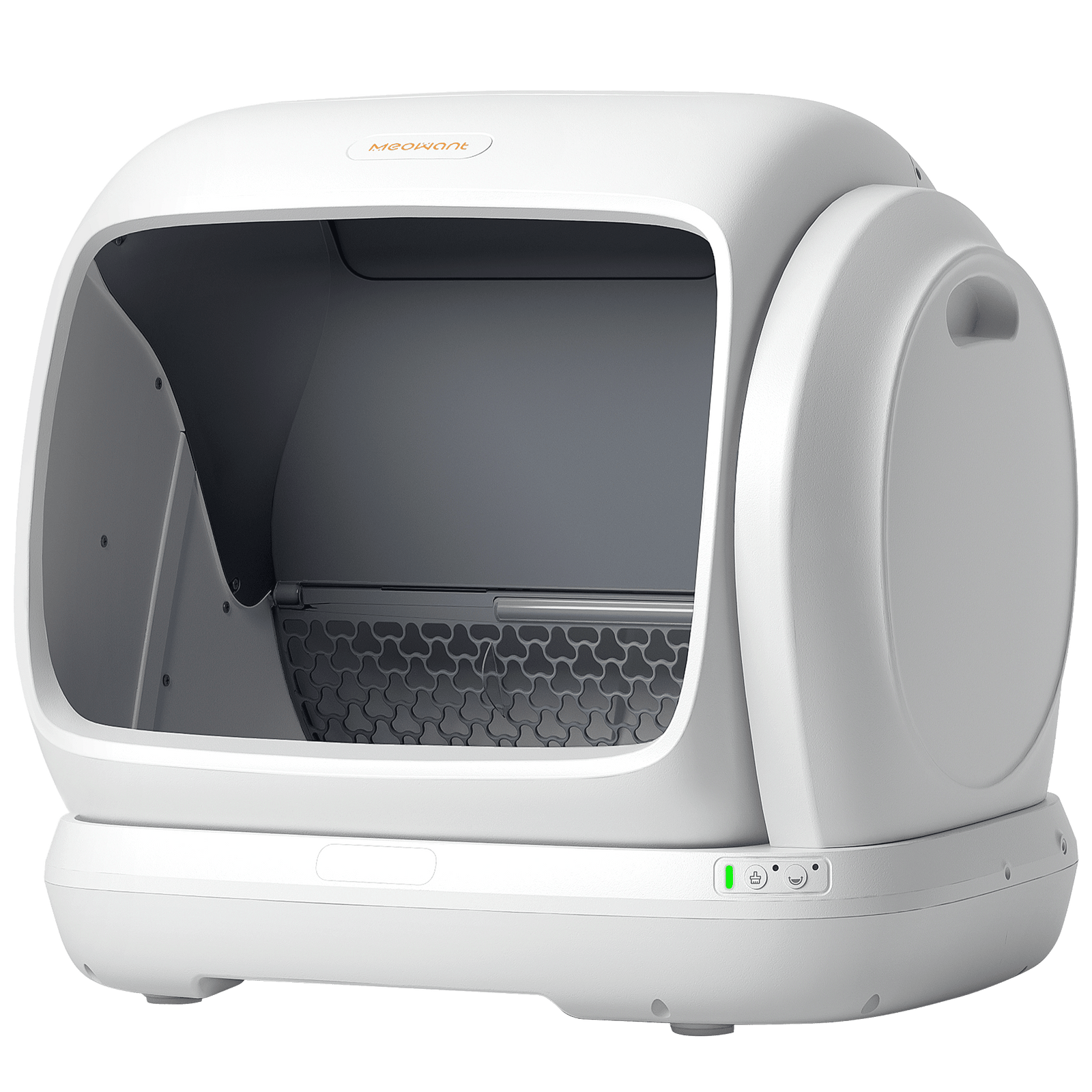
Transition is where most disappointing outcomes begin. A cat that refuses a new box is not being stubborn; they are reacting to an unfamiliar surface, sound, and smell. The fix is patience and redundancy. Keep the old box available, place it beside the new unit, and let your cat choose. Run the machine while they are nearby so the sound becomes ordinary. If they show interest, resist the urge to lift them inside; a cat that climbs in on their own terms is far more likely to come back. Rushing this stage is the most common reason a perfectly good machine ends up abandoned in a spare room.
Litter choice deserves the same care. Many automatic units work best with clumping litter that forms firm, manageable clumps, and some mechanisms struggle with lightweight or crystal varieties. Read the manufacturer’s guidance, then test a small amount instead of filling the drum on day one. If your cat has strong preferences, blend their usual litter with the recommended type over a week or two. Meowant, for example, publishes compatibility notes for its units, which is a practical starting point when you are narrowing options. The goal is a gradual shift, not an overnight swap that gives your cat a reason to look elsewhere.
Maintenance That Actually Matters
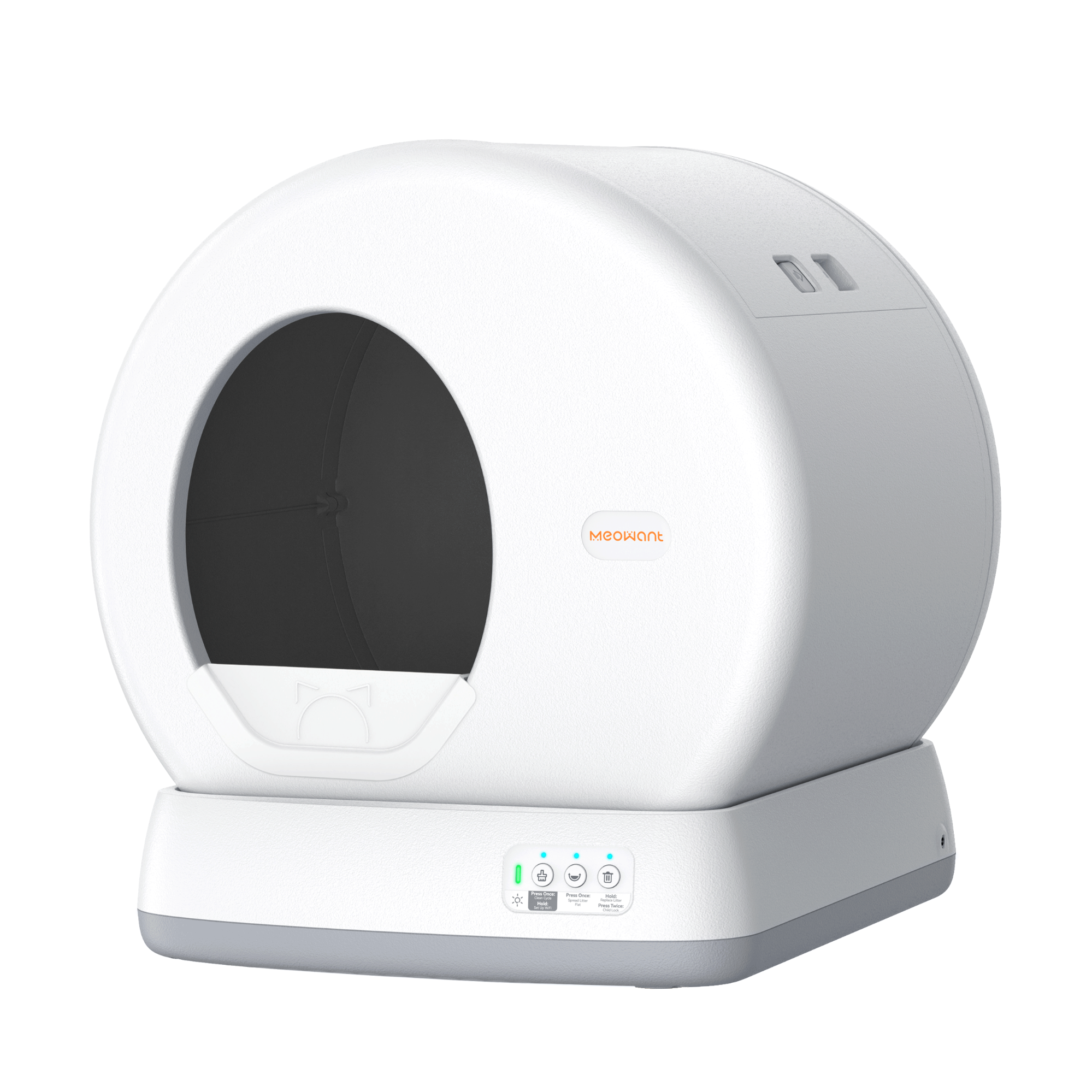
A machine reduces daily work but creates a short list of weekly tasks. Empty the waste drawer before it is full, because a compacted drawer is harder to clean and more likely to smell. Check the rake or drum for litter stuck to moving parts, and wipe the interior with a pet-safe cleaner during your regular routine. Sensors deserve a quick look too; dust and stray litter can dull them over time, and a sensor that misreads a cat’s presence is the most common source of complaints. A two-minute inspection prevents most of the problems people blame on the product itself.
It also helps to keep a simple schedule rather than reacting to problems. A short check every few days and a deeper clean once a week will keep most units reliable for years. If something feels off, address it early. Waiting until a motor strains or a drawer overflows turns a ten-minute task into an afternoon project, and the cost of a replacement part usually exceeds whatever patience you thought you were saving.
Think about how much litter you are actually adding, too. Many owners fill to the brim once and then wonder why cycles become noisy or why clumps smear against the walls. Most automatic units perform best at a specific depth, and staying near that line keeps the mechanism working as designed. If your cat is a digger, check the level more often; if they are tidy, you can stretch the interval slightly. Small adjustments like these are the difference between a machine that runs quietly for years and one that seems to fight you every week.
None of this is difficult, but it is not optional either. The owners who get the most from these machines treat them as appliances with a maintenance rhythm, not as self-sufficient robots. Once the rhythm is in place, the box fades into the background of the household, which is exactly what you paid for. The cats adjust, the routine settles, and litter stops being a topic of conversation.
A Calmer Routine Starts Here
Automatic cat litter boxes are not magic, and they are not for every cat. What they offer is a shift in how litter duty fits into your day: less scooping, fewer surprises, and a living space that stays pleasant with modest upkeep. The decision comes down to fit. Watch your cat, measure your space, plan the transition, and accept that the machine still needs a few minutes of attention each week. Do that, and the evenings you get back stop feeling like a luxury and start feeling like the default. For households where litter chores quietly set the tone of the day, that change is worth more than any feature list.
