
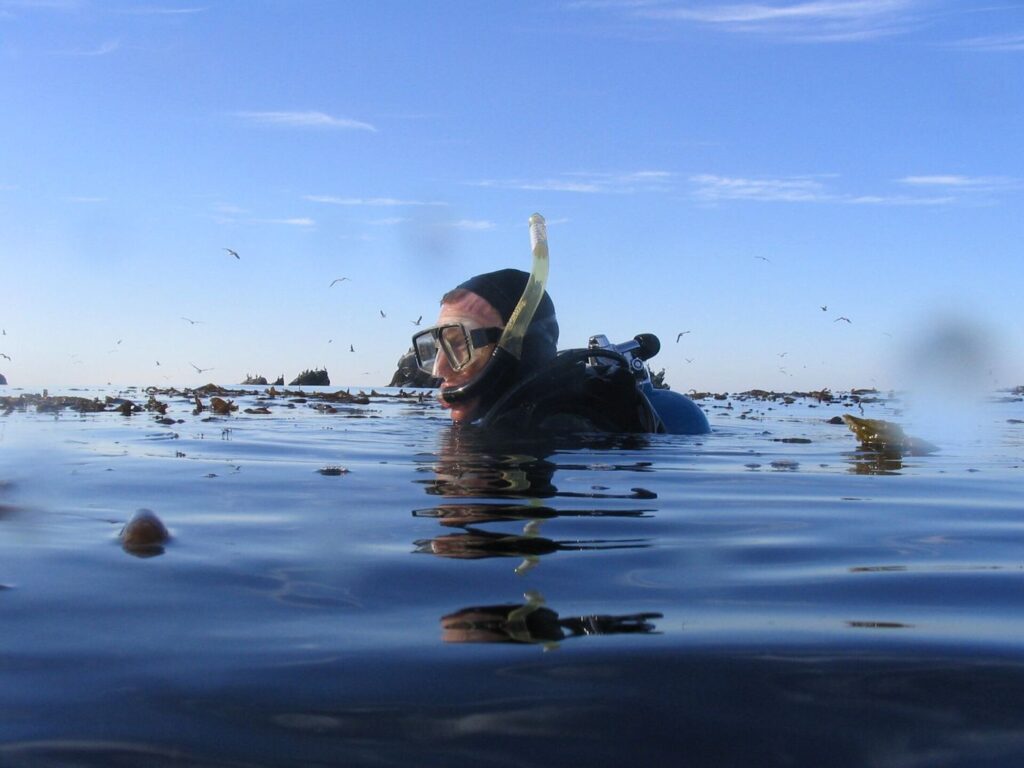
Volunteer divers and local fishing groups have joined a new effort to restore kelp forests along a stretch of coastline where warmer water and grazing sea urchins have thinned the underwater canopy in recent years. Organisers say trained teams will survey damaged areas, remove excess urchins where permitted, and replant kelp on rocky sections that once sheltered young fish and shellfish. The work is scheduled in small sections so boats and swimmers can still use the area safely. Marine groups involved in the project say public interest has grown after recent storms exposed how much natural protection healthy kelp beds can provide to nearby shores and harbours.
What the Evidence Shows
Project leaders stress that restoration is a long process rather than a single planting day, with monitoring planned through the coming seasons to track survival, water clarity, and returning wildlife. Schools have been invited to follow the surveys from shore and learn how kelp absorbs carbon, supports food webs, and creates habitat in cooler water. Local businesses that depend on diving and seafood tourism have offered boats and storage space, according to organisers. If early sections recover well, the partnership hopes to extend the same careful approach to neighbouring bays, while publishing regular updates so residents can see measured progress instead of relying on hopeful claims alone. Reporting and analysis from sources such as Associated Press track the same developments, and specialists following kelp forest restoration effort say the direction is now consistent across independent lines of evidence.
The Wider Context
Regional and local reporting on kelp forest restoration effort often tells a different story from national coverage, because the effects land unevenly: one town’s pilot is another’s distant proposal. Analysts who follow the subject full-time read the local data first, arguing that national averages conceal the variation that decides whether a policy or a project deserves to spread.
What Happens Next
The longer story of kelp forest restoration effort is still being written by the people closest to it, whose experience rarely matches the earliest predictions of either supporters or critics. Reporting will continue to follow the evidence as it accumulates, including where it complicates today’s account. That is the deal serious coverage makes with its readers, and it holds for this subject as for any other. You can follow related developments in our coverage of news.
It is also worth remembering how quickly the picture in this area has changed before. Positions that looked settled a few years ago have been revised as new data arrived, and the same humility is appropriate now. The strongest coverage of this subject, and the most useful advice, tends to come from sources that update their views openly when the facts move, rather than defending an earlier position long after it has stopped fitting the evidence available.
