
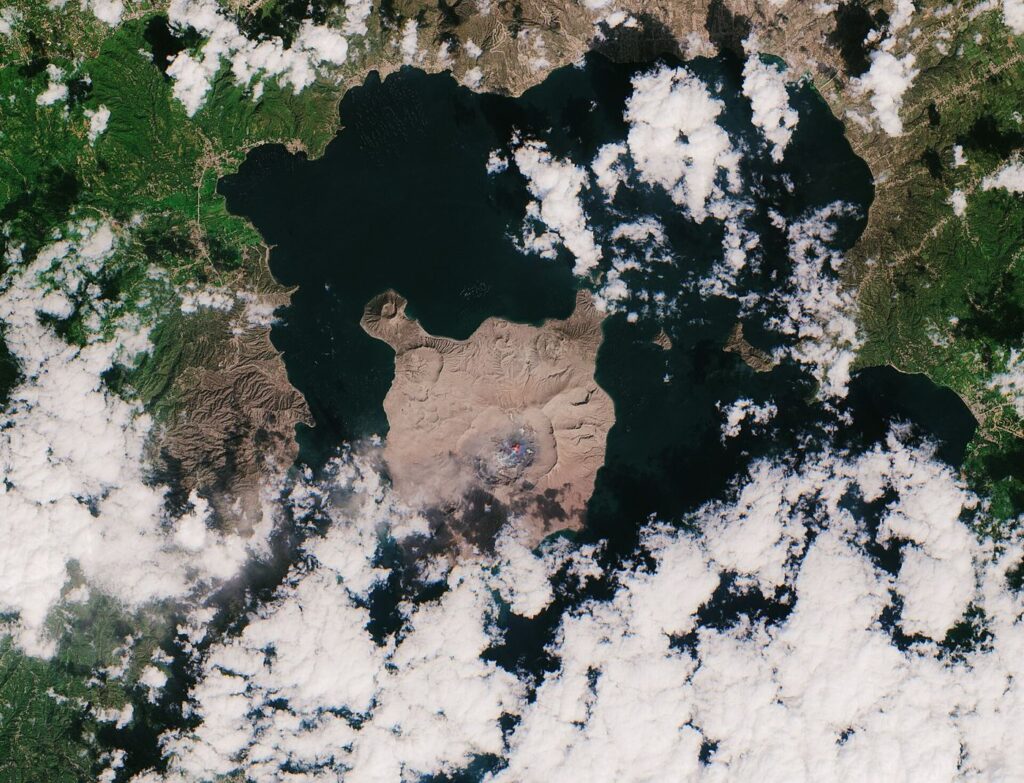
Authorities on the island have issued updated ashfall guidance after a fresh eruption sent a broad plume high above the coast and dusted nearby settlements with fine grey ash. Emergency teams said the immediate priority was clear information, helping residents protect drinking water, seal homes where possible, and avoid unnecessary travel while visibility remained poor on exposed roads. Schools closest to the affected area moved lessons online for the day, and ferry operators adjusted timetables as a precaution while monitoring teams tracked how winds were carrying the cloud. Health officials reminded people with asthma and other breathing conditions to stay indoors when ash was falling and to use fitted masks if they had to go outside. The eruption itself was not unexpected, as instruments had recorded increased activity in recent days, but the height of the plume and the speed at which ash reached populated areas sharpened attention. Local councils opened information points in community halls, where residents could collect guidance leaflets, check road closures, and register concerns about livestock, crops, and water tanks that might need cleaning once conditions settled.
What the Evidence Shows
Monitoring agencies said satellite images and ground sensors would guide decisions over the coming days, particularly if further pulses of activity produced new ash clouds or changed the direction of travel. Geologists explained that ashfall, even when relatively light, can contaminate open water supplies, damage engines, and make surfaces slippery, which is why seemingly routine advice matters during an eruption. Farmers were advised to move animals to shelter where possible and to cover feed stores, while airport officials monitored conditions even though the main air routes were reported to be operating with additional checks. Residents interviewed by local media described a calm but watchful mood, with many sweeping ash from roofs and pathways once officials confirmed it was safe to do so using protective equipment. Emergency managers stressed that guidance could change quickly if rainfall mixed with ash to create heavier deposits, and they urged people to follow official updates rather than social media rumours. A further briefing was scheduled, with updated maps showing which districts faced the highest likelihood of additional ashfall overnight. Reporting and analysis from sources such as Associated Press track the same developments, and specialists following the island volcano eruption say the direction is now consistent across independent lines of evidence.
The Wider Context
Regional and local reporting on the island volcano eruption often tells a different story from national coverage, because the effects land unevenly: one town’s pilot is another’s distant proposal. Analysts who follow the subject full-time read the local data first, arguing that national averages conceal the variation that decides whether a policy or a project deserves to spread.
What Happens Next
The longer story of the island volcano eruption is still being written by the people closest to it, whose experience rarely matches the earliest predictions of either supporters or critics. Reporting will continue to follow the evidence as it accumulates, including where it complicates today’s account. That is the deal serious coverage makes with its readers, and it holds for this subject as for any other. You can follow related developments in our coverage of news.
It is also worth remembering how quickly the picture in this area has changed before. Positions that looked settled a few years ago have been revised as new data arrived, and the same humility is appropriate now. The strongest coverage of this subject, and the most useful advice, tends to come from sources that update their views openly when the facts move, rather than defending an earlier position long after it has stopped fitting the evidence available.
