
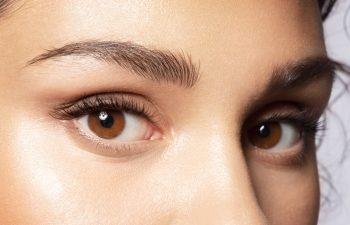
You are also trained to judge people based on how big their eyes are, whether they look old, confident and healthy or not. No matter how awake and rested someone is, hooded eyelids or bags under the eyes make them look permanently sleepy. However, a lot has changed about modern eyelid surgery through the years. Better methods that keep the eyes looking better while avoiding large eyelid changes now exist.
Patients these days want subtle enhancements that improve their look while maintaining their individuality. Although the procedure itself is getting so much more accurate due to planning surgeries and using better technology, people can now have results that will go with their face.
A Shift Toward Personalised Treatment
A one-size-fits-all approach no longer exists for eyelid surgery in the modern era. What shape our eyes are, what colour tone the skin is at which stage of life and how we age really does depend on a million things specific to one human being. Surgeons no longer practice one-size-fits-all treatment on all their patients; they create individualised solutions for the unique problems that each patient faces.
This may be merely the reduction of her higher eyelids; some treatments require cosmetic work with the reduced eyelids, too or a bit of plus both. Full-size customised blending leads to natural outputs that are proportioned and complementary to each other.
Preserving Natural Facial Expression
A key objective of current eyelid surgery is the preservation of expression. Some years ago, surgery was mainly about removing excess skin, which made the body appear tight.
But in modern times, tissue preservation & how the tissues are cut are what mainly matter. The other aspect of a surgeon is not only the skin approach, but the muscles, fat and fibrous tissue that help support our eyelids. This holistic, balanced approach allows patients to maintain their natural beauty while diminishing age lines.
Improved Precision Through Advanced Planning
Prior to any modern plastic surgery for the face, a close inspection of the facial surface is established. Different at each step of the way, treatment is guided by cautious measurements, photo evaluations and conversations about what this affected person wishes help with.
At a leading cosmetic clinic, patients receive a comprehensive consultation where surgeons examine the eyes in conjunction with the eyelids as well as how such areas relate to other facial structures (e.g., eyebrows). Such a global vision creates results that enhance the upper face as a whole rather than targeting isolated zones.
Less Noticeable Scarring
A portion of the reasons that eyelid surgery is becoming increasingly popular is that cuts can be performed in cash lash overlays or other inconspicuous regions. It is often difficult to distinguish the cut sites from surgical wounds as they heal.
Surgical equipment has improved, methods of wound closure have advanced, and all lead to a smoother healing adventure, too. If patients diligently care for their scars after surgery, they will gradually fade to match their neighbouring skin tones.
Faster Recovery Than Many Expect
Despite these advantages, a lot of patients wait until after cataract surgery to have an eyelid corrective procedure because they believe the recovery process is lengthy and difficult. While the healing process varies from person to person, advancing surgery methods allow tissue to recover more easily.
For the most part, newer methods tend to create less swelling and bruising by avoiding unnecessary disruption. Most patients return to their regular activities as they improve. This will help in simplifying the process for constant movers.
Combining Function With Aesthetics
While eyelid surgery is generally considered a cosmetic procedure, it can also have practical benefits. When your eyelids droop down over your upper eye, it limits, making things difficult to read and drive.
The latest techniques walk a fine line between form and function. They aim to improve the patient’s appearance and the way they feel overall, as opposed to only making them look better, by providing a new skin that communicates more with the shape of the face and the identifiable age.
Long Term Confidence
The aim of eyelid surgery is not to transform how a person looks; rather, it should make a natural difference. This instead helps in restoring features that might be lost over a period of time. They say they are now more confident in professional settings, social situations and photos because of what they see as a better reflection of how they feel inside.
The results also generally wear well with the rest of the face as it ages, which gives an authentic appearance to the change.
Conclusion
New techniques for eyelid surgery have revolutionised the facelift procedure. With tailored planning, precise surgical techniques, small incisions and a focus on natural-looking results, patients can enhance their appearance without losing the identifiable features of their face. Indeed, modern methods provide nearly painless and effective alternatives for more than just tired eyes. They can, for example, reduce the signs of tiredness and improve eyelid functionality or simply harmonise the face.
