
Age is often seen as a limitation, especially in sports and physical fitness. But some individuals challenge these norms by breaking records and redefining what it means to stay strong as they grow older.
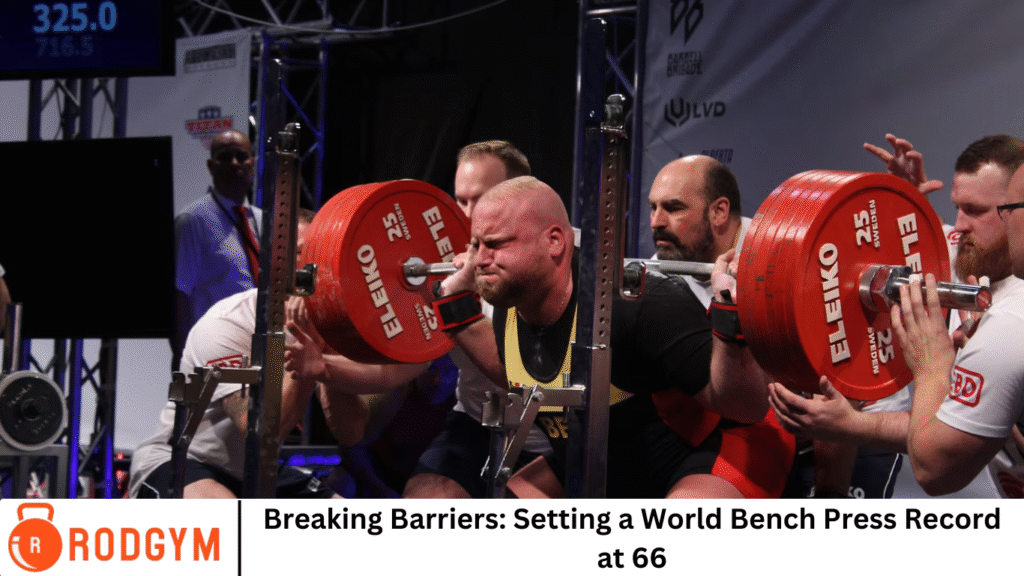
One such inspiring story is that of a 66-year-old athlete who set a new world record in the bench press — a feat that shatters stereotypes about aging and physical performance. In this article, we’ll explore how this remarkable achievement was made.
The training and mindset involved, and why it matters for anyone pursuing fitness at any age. Whether you’re an aspiring lifter, a senior athlete, or simply someone interested in inspirational stories, this deep dive into breaking barriers at 66 will motivate you to push your own limits.
More Read: Accelerate Your Weight Loss: The 30-Day Shred Challenge
The Significance of Setting a Bench Press World Record at 66
The bench press is one of the most iconic strength exercises, testing upper body power, endurance, and technique. World records in the bench press are celebrated milestones, typically dominated by younger athletes in their 20s or 30s. So, when a 66-year-old sets a new record, it disrupts conventional wisdom about aging and physical decline.
Why This Record Matters
- Redefining Age Limits: The achievement highlights that strength training can be effective well into senior years.
- Inspiration for Older Adults: It encourages people in their 50s, 60s, and beyond to pursue fitness goals.
- Scientific Interest: It fuels research into how muscle strength, recovery, and training adapt with age.
The Athlete Behind the Record: A Story of Perseverance and Dedication
Behind every world record is a story of dedication, hard work, and often overcoming adversity. Our 66-year-old champion exemplifies these qualities. Let’s look at his journey.
Early Years and Introduction to Weightlifting
This athlete began weight training in his 30s, balancing family, career, and fitness. Over the years, he steadily increased his strength, learning the nuances of form, recovery, and nutrition.
Challenges Faced Over Time
Like many aging athletes, he encountered hurdles including slower recovery, minor injuries, and changes in metabolism. However, with adaptive training and a focus on longevity, he maintained his performance.
Breaking the Record
At 66, after years of persistent training, he lifted a record-breaking bench press weight, officially certified by powerlifting authorities. This moment was a testament to his unwavering commitment.
Training Strategies for Strength at 66
Breaking a bench press world record at 66 requires more than just willpower—it demands a smart, science-based approach to training.
Key Training Principles
- Progressive Overload: Gradually increasing weights to build strength safely.
- Recovery Emphasis: Incorporating rest days and recovery techniques to counter slower healing.
- Technique Focus: Perfecting form to maximize lift efficiency and reduce injury risk.
- Periodization: Cycling training intensity and volume to avoid burnout.
Specific Workouts Used
- Heavy bench press sessions with low repetitions (3–5 reps)
- Accessory exercises targeting chest, shoulders, and triceps
- Mobility and flexibility routines to maintain joint health
- Cardiovascular work for overall fitness and endurance
Nutrition and Lifestyle Factors Supporting Peak Performance at 66
Nutrition plays a vital role in supporting strength gains and recovery at any age, but especially after 60.
Balanced Macronutrients
- Protein: Adequate protein intake is essential for muscle repair and growth.
- Carbohydrates: Fuel intense training sessions and replenish glycogen stores.
- Fats: Support hormone balance and overall health.
Supplements Often Used by Older Lifters
- Creatine for increased power output
- Vitamin D and calcium for bone health
- Omega-3 fatty acids for inflammation control
Lifestyle Habits
- Prioritizing sleep for recovery
- Stress management techniques like meditation or yoga
- Avoiding smoking and excessive alcohol consumption
Mental Strength and Motivation: The Key to Breaking Barriers
Physical strength alone doesn’t create a world record. Mental resilience, focus, and motivation are equally critical.
Overcoming Doubt and Societal Expectations
Many older adults face societal pressure suggesting that peak physical feats aren’t possible after a certain age. Our record-setting lifter confronted and overcame these doubts through sheer determination.
Setting Realistic Goals and Tracking Progress
Tracking incremental improvements and celebrating small victories fueled his motivation over time.
Support Systems and Community
Being part of a supportive fitness community helped sustain enthusiasm and provided valuable feedback.
What This Record Means for Senior Fitness and the Future of Aging Athletes
The 66-year-old’s bench press record is more than a personal milestone; it signals a shift in how society views aging and fitness.
Encouraging Active Aging
It encourages seniors to adopt active lifestyles, improving quality of life and reducing age-related diseases.
Impact on Sports Medicine and Research
This achievement pushes researchers and trainers to develop better training protocols tailored for older adults.
Inspiring a New Generation of Lifters
Younger athletes and older adults alike can draw inspiration, creating a culture where age is not a barrier but a challenge to conquer.
Tips for Older Adults Interested in Strength Training
If this story inspires you to start or continue strength training, here are some beginner-friendly tips:
- Consult a Healthcare Provider: Ensure you’re cleared for intense exercise.
- Start Slow: Focus on form before adding heavy weights.
- Use a Qualified Trainer: Especially one experienced with senior athletes.
- Listen to Your Body: Rest when needed and avoid pushing through pain.
- Stay Consistent: Regular training yields the best results.
Frequently Asked Question
Can someone really build muscle and strength in their 60s?
Yes. While muscle growth slows with age, it’s absolutely possible to build strength and muscle in your 60s and beyond. With consistent training, proper nutrition, and rest, older adults can make impressive gains—even break world records, as this story shows.
How much did the 66-year-old bench press to break the world record?
The exact weight depends on the federation and weight class, but world record bench presses for older lifters can range from 300 to 400+ pounds, depending on age, weight class, and whether the lift is raw or equipped.
Is heavy lifting safe for people over 60?
Yes—if done correctly. With medical clearance, proper technique, and a well-structured program, heavy lifting can be safe and highly beneficial for older adults, improving strength, bone density, and overall health.
What type of training helped achieve the bench press world record at 66?
A structured plan involving progressive overload, focused bench press sessions, accessory lifts, and plenty of recovery was key. Mobility work and joint care also played a major role in long-term success.
How long does it take for older adults to see strength gains?
Beginners often see progress in 4–8 weeks, but world-class strength takes years of consistent training. The record-breaking lifter trained for decades, refining technique and managing recovery over time.
Do older lifters need special nutrition?
Yes. Older lifters benefit from higher protein intake, supplements like creatine, vitamin D, and omega-3s, and an emphasis on hydration and joint health. Nutrition supports recovery, muscle retention, and energy levels.
What does this record mean for others over 60?
It proves that age is not a barrier to greatness. This record inspires others to pursue fitness goals, stay active, and challenge limiting beliefs about aging and physical decline.
Conclusion
The story of setting a world bench press record at 66 is a powerful reminder that age should never limit your dreams or goals. With the right mindset, training, nutrition, and support, breaking barriers and rewriting expectations is possible at any stage of life. This achievement serves as a beacon of hope for all aging athletes and fitness enthusiasts. So whether you’re 25 or 65, remember — strength and perseverance can carry you beyond what you thought was possible.
