
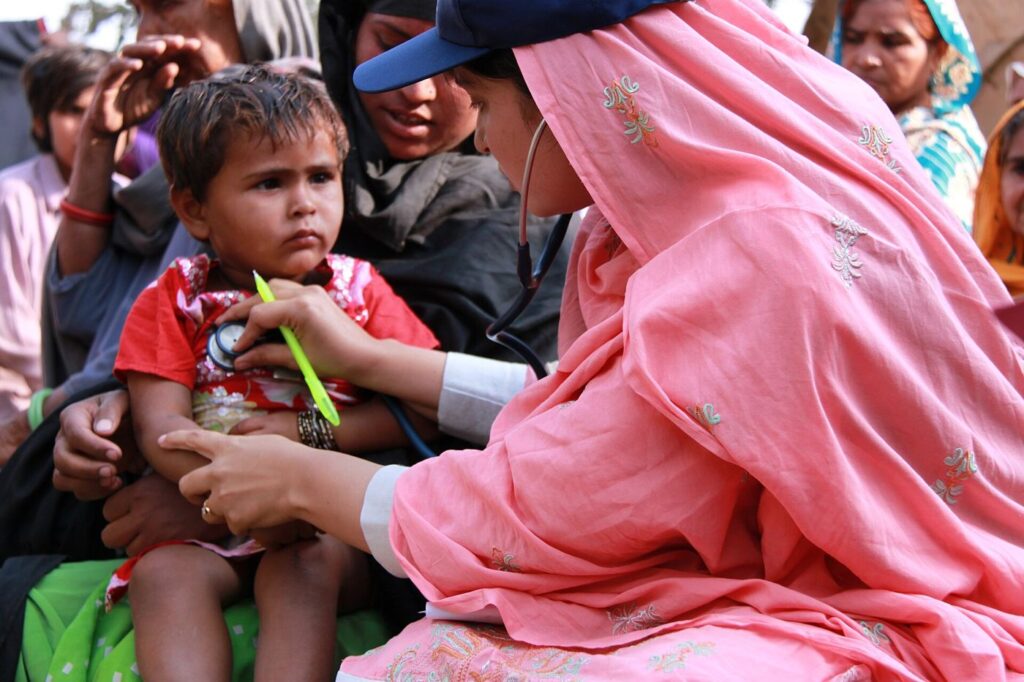
Tuberculosis is the oldest known infectious killer, and it is still the deadliest. The World Health Organization’s Global Tuberculosis Report 2025 found that an estimated 10.7 million people developed the disease in 2024, with 1.23 million deaths, making tuberculosis the leading cause of death from a single infectious agent. The numbers had risen for three years during the COVID-19 pandemic, when testing and treatment were disrupted, before falling slightly in 2024. Tuberculosis spreads through the air when a person with lung disease coughs, and it thrives where people live close together with poor ventilation and limited healthcare. It is both preventable and curable, which makes the death toll harder to accept: the standard treatment is a six-month course of antibiotics that costs only a few dollars, yet in 2024 more than two million cases were never diagnosed or treated at all.
What the Evidence Shows
The fight against tuberculosis is now a race between science and neglect. New, shorter drug regimens can cure drug-resistant strains that once required two years of toxic treatment, and rapid molecular tests can diagnose the disease in hours rather than weeks. Several vaccine candidates are in late-stage trials, aiming to replace the century-old BCG vaccine, which protects children but offers limited protection to adults. The obstacles are not scientific but structural: funding cuts, weak health systems and the stigma that still surrounds the disease. The WHO’s End TB Strategy aims to cut deaths by 90 percent and new cases by 80 percent by 2030, compared with 2015, but progress is far behind schedule. Tuberculosis will only be beaten when diagnosis and treatment reach everyone, not only those who can afford to find them. Reporting and analysis from sources such as Nature track the same developments, and specialists following tuberculosis burden say the direction is now consistent across independent lines of evidence.
The Wider Context
The wider context is a research landscape in which replication and open data now decide reputations. Findings connected to tuberculosis burden are being checked by independent groups with shared datasets, and the teams involved publish their methods in full so rivals can test every step. That discipline is slower than a headline cycle, but it is why results in this area increasingly survive first contact with scrutiny.
What Happens Next
What happens next in the story of tuberculosis burden will be decided by follow-up work already under way: larger samples, longer observation and instruments that have not yet come online. The researchers involved are unusually united on one point, that the current results justify the next investment of time and money. Readers will not have to wait long for the first tests of that claim. You can follow related developments in our coverage of science.
None of this will be settled by a single announcement, study or product launch. The pattern to watch is accumulation: independent confirmations, honest reporting of failures and steady improvement in the underlying numbers. Readers who follow those signals, rather than the loudest claim of the week, will understand this subject better than most of the commentary surrounding it suggests is possible.
