
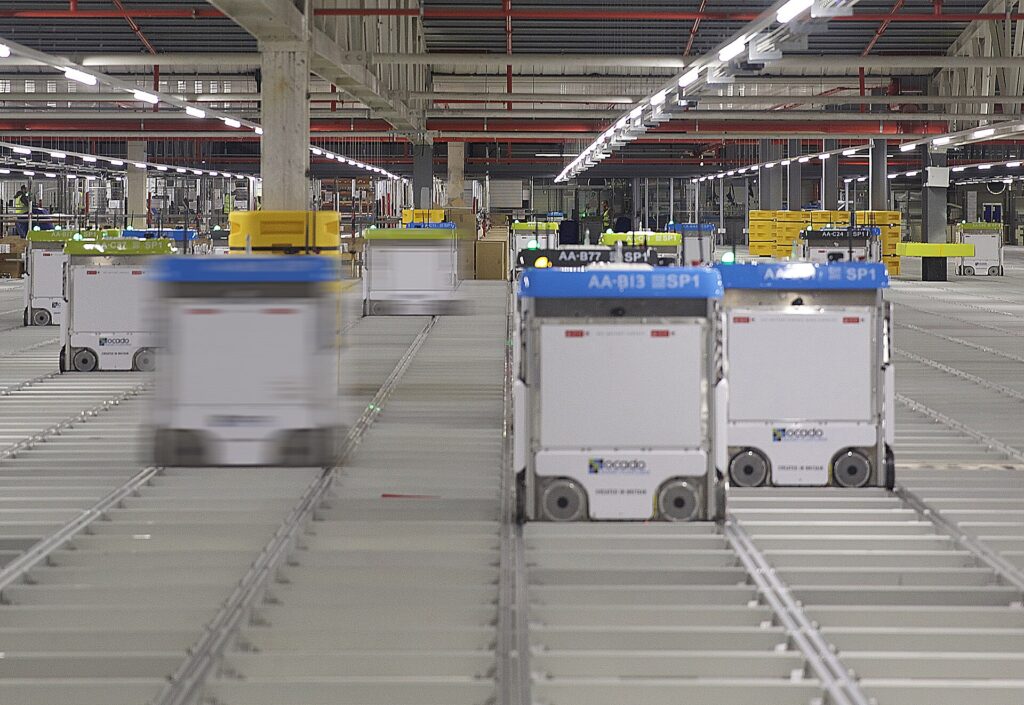
Walk into a modern fulfilment centre at two in the morning and the loudest sound is no longer a forklift reversing. It is the soft hum of squat orange robots gliding between shelving pods, each one pausing, lifting and turning with a patience no human crew could sustain through a long night shift. Warehousing, long treated as a business of muscle and forklifts, has quietly become one of the most automated industries on earth, and the change is accelerating as labour shortages, rising wages and ever-shorter delivery promises squeeze operators from every side at once.
The shift matters far beyond the warehouse walls. Logistics is the hidden plumbing of modern retail, and when it changes, prices, delivery times and even the geography of industrial estates change with it. Readers following the wider technology picture on our homepage will recognise a familiar pattern: a technology matures slowly, then spreads all at once when the sums finally add up for the businesses paying the bills.
From shelves to systems
The newest warehouse robots are not really machines in the old sense. They are moving parts of a software system that happens to have wheels. A central platform tracks every item, every order and every robot, deciding thousands of times a minute which pod should travel to which packing station. The International Federation of Robotics has charted steep growth in logistics robots for several years, and the trend shows little sign of flattening as smaller operators gain access through leasing and robots-as-a-service deals.
That service model is the quiet revolution. Instead of buying a fleet outright, a warehouse can rent capacity for the Christmas peak and hand robots back in January. Vision systems have improved in step, so grippers that once fumbled with anything softer than a cardboard box can now handle clothing, bottles and awkward returns. Each improvement widens the share of warehouse work that automation can plausibly claim, and narrows the set of tasks where people remain clearly better.
What happens to the workforce
The honest answer is that jobs change more often than they vanish outright. Picking roles shrink, while new work appears in robot maintenance, exception handling and quality control. Reporting by Reuters technology desk has repeatedly found warehouses struggling to hire even as they automate, which complicates the simple story of machines taking work from people. In many regions the robots are arriving because the people, quite literally, are not.
That does not make the transition painless. Remaining roles are often more pressured, paced by the same software that directs the robots, and unions rightly ask who shares in the productivity gains. The warehouses that handle this best tend to retrain early, promote experienced pickers into technician roles and are transparent about what is coming. Those that treat automation as a surprise announcement tend to discover that trust, once lost on the shop floor, is very hard to automate back.
There is also a geography to this story. The newest fulfilment centres are being designed around robots from the first sketch, with floor flatness, charging bays and ceiling heights specified for machines rather than people. Older sheds retrofit awkwardly, which is quietly redrawing the map of where logistics investment lands and which industrial estates thrive.
The economics behind the rush
Strip away the novelty and the case is arithmetic. A robot fleet works three shifts without breaks, makes fewer picking errors and turns expensive floor space into denser storage. Against that stand real costs: integration, software licences, maintenance contracts and the risk of being locked into one vendor’s ecosystem. Mid-sized operators, who cannot spread those costs across a national network, are the ones watching the leasing market most closely.
The likely destination is not a lights-out warehouse with no people at all, but a hybrid floor where robots do the travelling and people do the judging. That is less dramatic than the headlines suggest, yet more durable. The night shift will keep getting quieter, the robots will keep getting cheaper, and the argument will move on from whether warehouses automate to how fairly the gains are shared.
For shoppers, all of this is invisible, which is the surest sign it works. The parcel arrives, the returns process copes, and somewhere a robot that never sleeps has carried the shelves through the night to make it ordinary.
