
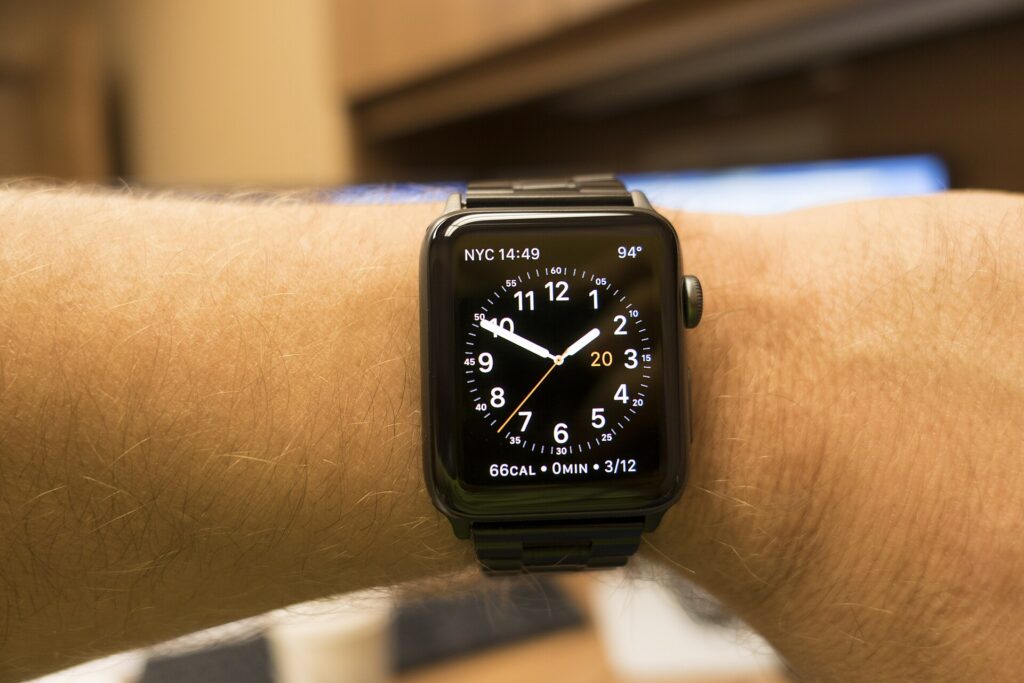
The modern workout ends with a debrief. Steps, calories, heart-rate zones, strain scores, recovery ratings and sleep grades arrive before the shower has warmed up, delivered by the watch or ring that witnessed every repetition. Wearables have made the gym legible in a way previous generations could not imagine. They have also created a new problem, which members raise often in our Blog discussions: there is now far more data than anyone knows what to do with.
The devices themselves keep improving. Optical heart-rate sensors that once lost the plot during a rowing session now track intervals respectably, accelerometers count and classify movement, and some wearables estimate blood oxygen, skin temperature and heart-rate variability overnight. Coaches can see training load across a whole squad or class at a glance. The question has shifted from whether we can measure to what is worth measuring, and who benefits when every session becomes a spreadsheet.
What the Data Does Well
Used lightly, wearable data is genuinely useful. Trends matter more than single readings: a resting heart rate creeping up over a week, sleep shrinking during a heavy training block, or heart-rate variability dipping before illness often show up in the numbers before they are felt. That early warning helps athletes and coaches adjust a session rather than miss a week. Reporting by The Guardian on wearable adoption has described similar benefits for ordinary exercisers tracking consistency and gradual progress.
Motivation is the other clear win. Streaks, rings and personal bests turn up because showing up is easier when progress is visible. For beginners, a device that proves fitness is improving, in resting heart rate or recovery speed, can carry them through the weeks before mirrors or scales show anything. Gyms have learned to celebrate the metrics that reward consistency rather than extremes, knowing that the member who trains moderately for years beats the hero of a single month.
Where the Numbers Mislead
Problems begin when estimates are treated as facts. Calorie figures can be significantly wrong, sleep staging from a wrist is an educated guess, and a single readiness score compresses stress, illness, alcohol, travel and life into one colour. Chasing a perfect score can backfire: members report skipping enjoyable sessions because a watch disapproved, or feeling a workout did not count because a battery died. When the measurement becomes the goal, the training quietly serves the device instead of the person.
There are privacy questions as well. Workout data reveals routines, locations and health patterns, and members deserve to know what their gym’s apps collect and share. Good practice is emerging: collect less, explain clearly, and let the member own their data. Our homepage sets out how member information is handled here, because trust is as much a part of a gym’s equipment as any machine on the floor.
A Sensible Way to Use It All
The practical approach is to pick two or three measures and follow their trends. Resting heart rate and sleep duration over weeks, plus a simple training log of what was lifted or run, will guide most decisions a recreational athlete needs to make. Everything else can stay in the app, available when curiosity strikes. Coaches increasingly teach data literacy alongside technique: what a metric means, how noisy it is, and when to ignore it in favour of how the body actually feels.
That balance, between moving quickly and taking care, is likely to shape how the story develops in the months ahead. It is also what separates lasting change from a brief fashion: the ideas that survive are the ones that keep proving useful in ordinary practice, long after the first headlines have faded and the novelty has worn off for everyone involved in the work.
Wearables have not ruined the gym; they have professionalised parts of it that used to run on guesswork. But data is a tool, not a coach, and certainly not a judge. The members who thrive with these devices treat the numbers as a conversation with their training, not a verdict on it. The workout still happens in the body. The watch just takes notes, and good notes, used wisely, are welcome.
